The Benefits of Accurate Time Tracking for Household Employers

When you hire a nanny or caregiver, your focus is often on finding the right person to care for your loved one. However, one important responsibility that is frequently overlooked is tracking work hours accurately.
Whether you employ a nanny, senior caregiver, babysitter, or personal care aide, keeping accurate time records can help prevent misunderstandings, simplify payroll, and ensure compliance with household employment requirements.
1. Accurate Pay for Hours Worked
The most obvious reason to track hours is to ensure your employee is paid correctly. Without a reliable record of hours worked, families often rely on memory, text messages, or handwritten notes, which can easily lead to mistakes.
Accurate time tracking helps:
Ensure employees are paid fairly
Eliminate disputes about hours worked
Build trust between families and caregivers
Reduce payroll errors
2. Helps With Household Payroll Compliance
Many families don't realize that they may be considered household employers.
As a household employer, you may be responsible for:
Payroll tax reporting
Wage reporting
Overtime calculations (depending on state laws)
Record retention requirements
Tracking hours creates a documented record that can be useful for payroll processing and tax reporting.
3. Prevents Schedule Confusion
Caregiving schedules often change.
A nanny may:
Stay late one evening
Cover additional hours during school breaks
Work extra shifts during summer
A caregiver may:
Cover weekends
Attend medical appointments
Provide overnight assistance
Tracking hours helps families and caregivers stay on the same page regarding schedules and actual hours worked.
4. Helps Monitor Overtime
Many household employees are entitled to overtime pay under federal or state laws. Live-in nannies or caregivers have other wage requirements according to Fact Sheet #79B.
Without tracking hours:
Families may unintentionally miss overtime calculations
Employees may be underpaid
Compliance risks may increase
Time tracking provides visibility into weekly hours before overtime becomes an issue.
5. Creates a Record for Tax Season
At the end of the year, many household employers need to prepare:
Payroll records
Wage statements
Tax forms - The IRS has a guide specific to household employers Publication 926
Having detailed time records makes year-end reporting significantly easier.
Instead of reconstructing hours months later, families have a reliable history available.
6. Supports Transparency and Trust
One of the best ways to build a positive working relationship is through transparency.
When both parties can view:
Scheduled hours
Actual hours worked
Schedule changes
there is less room for confusion or disagreement. Clear records help create a more professional employment relationship.
7. Helps Manage Multiple Caregivers
Some families employ:
Multiple nannies
Rotating caregivers
Backup sitters
Senior care teams
Tracking hours separately for each caregiver helps families:
Manage coverage
Monitor costs
Ensure fair scheduling
Avoid overlapping shifts
8. Provides Peace of Mind
Family caregiving can be overwhelming.
Between managing schedules, medications, school activities, appointments, and household responsibilities, keeping organized records can reduce stress.
A simple time-tracking system allows families to focus on care instead of paperwork.
How Technology Makes Time Tracking Easier
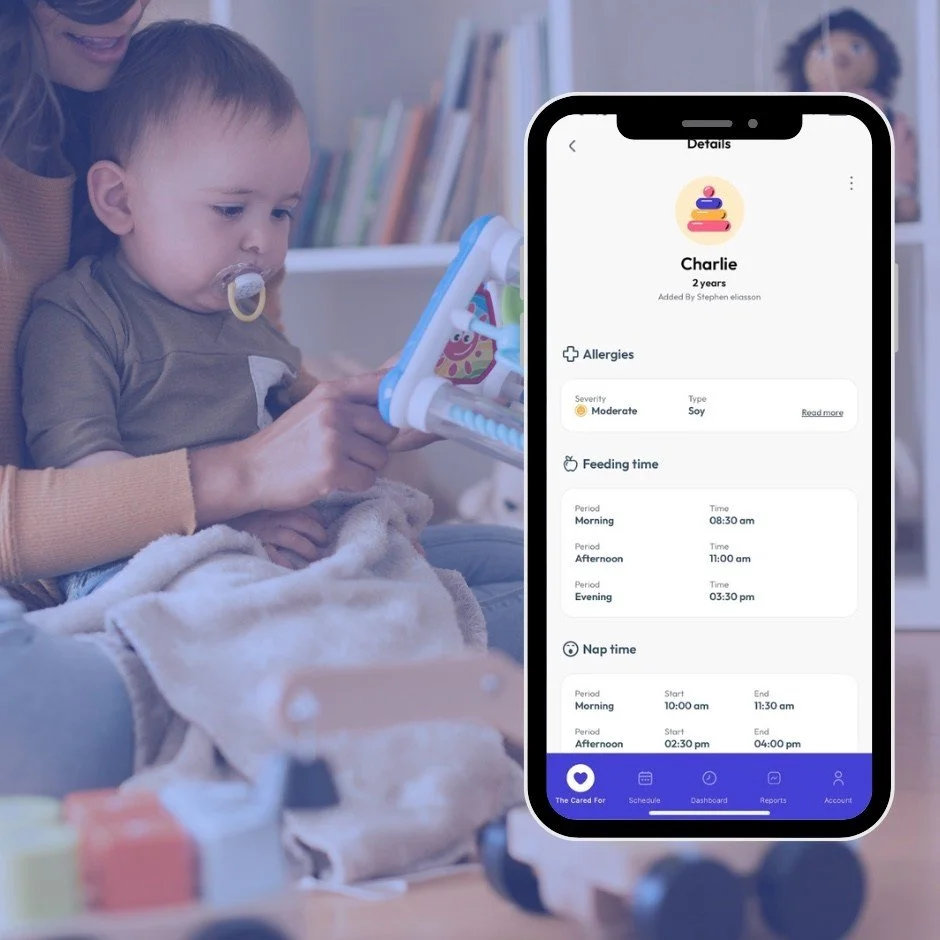
Modern caregiving apps allow families to:
Track caregiver hours
Manage schedules
Share reminders
Store emergency contacts
Maintain care information in one place
Rather than relying on paper timesheets or spreadsheets, families can keep everything organized and accessible.
Conclusion
Tracking nanny and caregiver hours isn't just about payroll—it's about accuracy, transparency, organization, and peace of mind.
By maintaining accurate time records, families can simplify payroll preparation, reduce misunderstandings, monitor schedules, and create a more professional caregiving experience for everyone involved.
The better you track care, the easier it becomes to manage it.